

Dead trees may seem harmless, but they can quickly become serious hazards. Once a tree dies, its wood gradually becomes weaker and more vulnerable to decay, insects, disease, and severe weather. Dead branches can fall unexpectedly, while an entire tree can eventually collapse. If you have a dead tree on your property, having it professionally evaluated and removed promptly can help protect your family and property. At Cheapest Tree Work, we provide expert tree removal in the greater Wichita area. Here are four important reasons to promptly remove dead trees. Reduce the Risk of Falling Branches Dead branches become increasingly brittle as a tree deteriorates. Strong winds, heavy rain, snow, or even mild weather conditions can cause weakened limbs to break and fall without much warning. Large branches can injure people, damage vehicles, or strike structures. Removing a dead tree eliminates the ongoing threat posed by its deteriorating branches. Protect Your Home and Property A dead tree located near your home, garage, driveway, fence, or other structures can create substantial property damage if it falls. As decay progresses, the tree's structural integrity may continue to decline, making its eventual failure increasingly unpredictable. Professional removal allows trained tree specialists to safely dismantle the tree before it falls on its own. Prevent Pest Problems Dead and decaying trees can provide food and shelter for various insects and other pests. Beetles, termites, and other organisms may be attracted to deteriorating wood. While removing a dead tree won't eliminate every potential pest issue, it can remove one source of habitat from your property. Prompt removal can be particularly important when a dead tree is located close to your home or other wooden structures. Prevent the Problem From Getting Worse Decay, weather exposure, and structural deterioration can continue to weaken the tree, potentially making removal more hazardous. Waiting may also allow falling branches to cause damage before the tree is addressed. Taking action early gives you greater control over when and how the tree is removed. Tree Removal in Wichita, KS For expert tree removal in Wichita and the surrounding area, contact Cheapest Tree Work at 316-841-2639 . Feel free to give us a call to arrange a tree services estimate in greater Wichita !
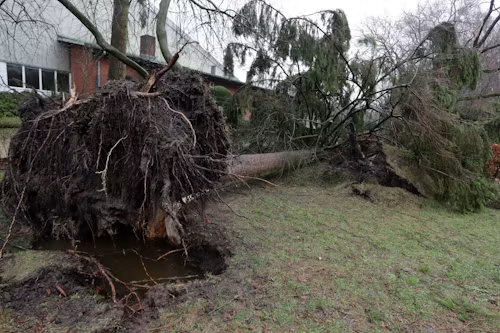
Trees offer many benefits to homeowners. However, there are times when a tree becomes damaged, diseased, or otherwise unsafe and needs to be removed. Professional tree removal is a specialized service that requires proper training, equipment, and safety procedures to prevent injuries and property damage. Many homeowners have questions about when tree removal is necessary, how the process works, and what to expect. At Cheapest Tree Work, we’re happy to answer any of your questions about tree removal in the greater Wichita area. When Should a Tree Be Professionally Removed? A tree may need to be removed when it becomes a safety hazard or is no longer healthy enough to survive. Common reasons for removal include severe storm damage, extensive disease, pest infestations, significant decay, and unstable root systems. Trees that are leaning toward homes, driveways, power lines, or other structures should be evaluated by a professional. An arborist can determine whether the tree can be saved through treatment or pruning or if removal is the safest option. Why Should I Hire a Professional Tree Removal Company? Tree removal can be extremely dangerous, especially when dealing with large trees near buildings, vehicles, or utility lines. Professional tree removal specialists have the experience, equipment, and safety knowledge needed to complete the job correctly. They understand how to control falling branches, safely dismantle trees, and safeguard surrounding property. Hiring professionals also helps ensure the work is completed in an efficient manner. How Do I Know If a Tree Is Dead or Dying? Several warning signs can indicate that a tree is declining. These may include large amounts of dead branches, missing bark, visible decay, fungal growth, and poor leaf production. A tree that is leaning or showing signs of root problems may also be unstable. Having a professional inspect the tree can help determine its condition and whether removal is necessary. What Happens During the Tree Removal Process? Professional tree removal typically begins with an evaluation of the tree and surrounding area. The removal team will identify potential hazards and create a safe plan for taking down the tree. Depending on the size and location of the tree, they may remove it in sections. After the tree is removed, debris cleanup is completed to restore the area. Stump grinding and removal is also offered. Where Can I Find Professional Tree Removal in Wichita, KS? For expert tree removal in Wichita and the surrounding area, contact Cheapest Tree Work at 316-841-2639 . Feel free to give us a call to request a tree services estimate in greater Wichita !
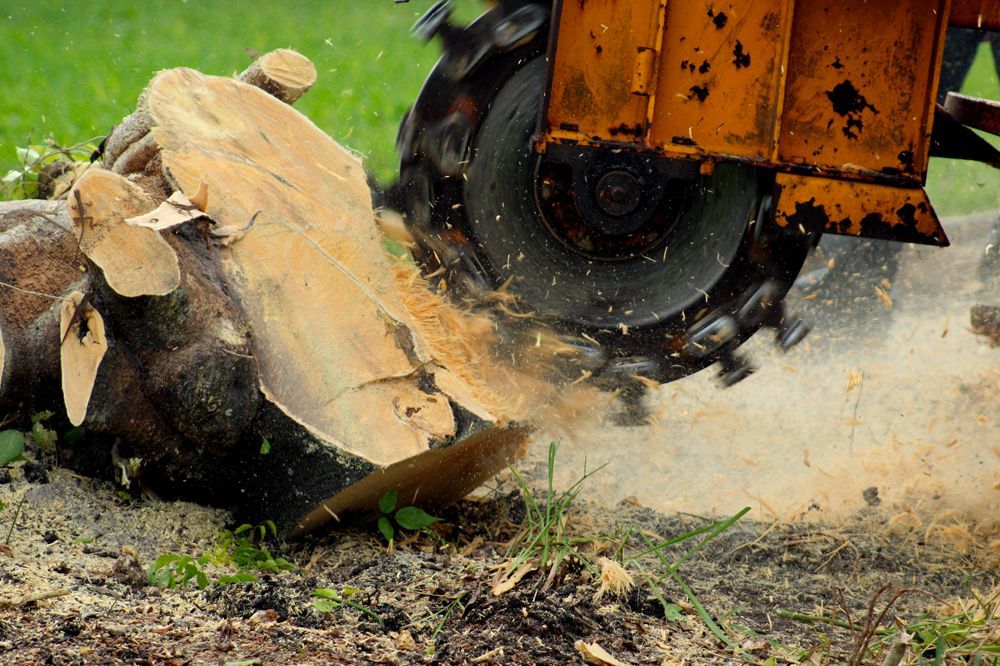
After a tree is removed, the remaining stump may seem harmless, but it can actually create a variety of issues for homeowners. Tree stumps can interfere with landscaping, attract pests, and even pose safety hazards if left unaddressed. Removing them is an important step in fully restoring your yard. Whether through stump grinding or full removal, eliminating stumps offers several advantages. At Cheapest Tree Work, we provide expert stump grinding and removal in the greater Wichita area. Here are five benefits of removing tree stumps from your property. Improved Curb Appeal Tree stumps can make an otherwise well-maintained yard look neglected. Removing them instantly improves the visual appearance of your landscape. This is especially important if you are trying to maintain or increase your property’s value before listing your home. Reduced Pest Activity Decaying tree stumps can attract pests such as termites and other wood-boring insects. These pests may eventually spread, perhaps even to your home. Removing the stump eliminates a potential habitat and helps protect your property from infestations. Eliminate a Safety Risk Tree stumps can pose a tripping hazard, especially in yards where children or guests frequently move around. They can also damage lawn equipment like mowers if accidentally struck. Removing stumps helps create a safer yard that’s easier to maintain. Prevent Tree Shoots from Growing Back In some cases, tree stumps can produce new shoots or sprouts as the root system remains active underground. This regrowth can be unattractive and difficult to manage. Removing the stump helps prevent future growth issues and keeps your landscape easier to maintain. Better Use of Yard Space A leftover stump takes up valuable space that could be used for other purposes. Once removed, the area can be repurposed for grass, garden beds, landscaping features, or outdoor living spaces. This makes it easier for you to achieve your yard’s full potential. Stump Grinding & Removal in Wichita, KS For expert stump grinding and removal in Wichita and the surrounding area, contact Cheapest Tree Work at 316-841-2639 . Feel free to give us a call to ask for a tree services estimate in greater Wichita !